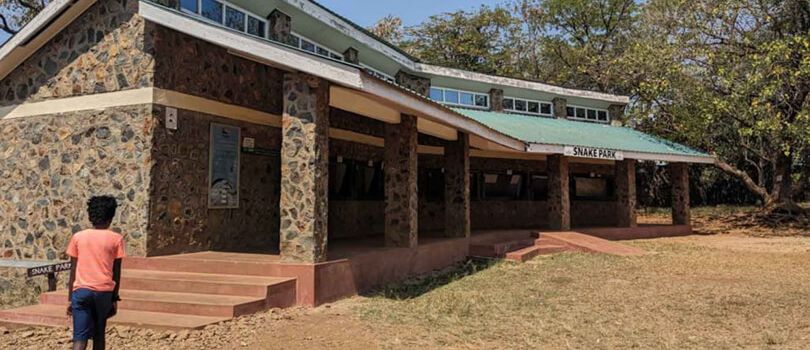
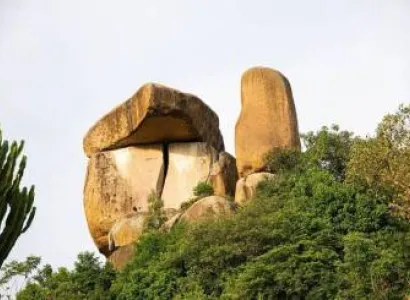
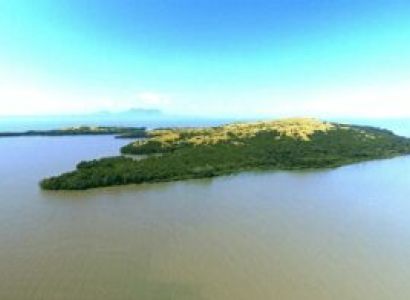
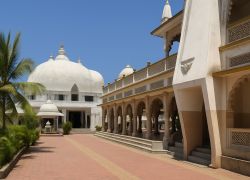
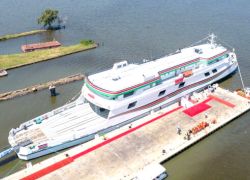
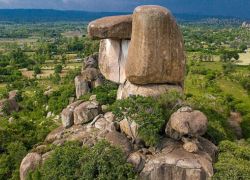
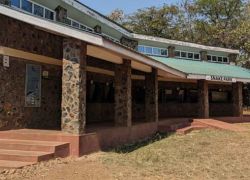
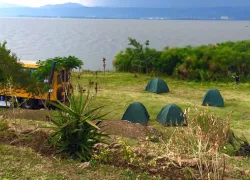
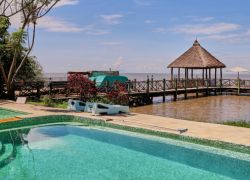
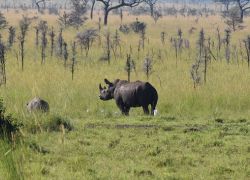
The Kisumu Museum is a significant cultural and historical landmark located in Kisumu City, on the shores of Lake Victoria, Kenya. Established to preserve and showcase the rich heritage of the region, the museum provides a deep dive into the history, culture, and biodiversity of Kisumu and the wider Nyanza region. With its fascinating exhibits and educational displays, Kisumu Museum has become one of the key attractions for both local and international visitors, offering a unique perspective on Kenya's diverse cultural landscape. Whether you're a history buff, a nature enthusiast, or a curious traveler, the museum offers something of interest for everyone.
History and Overview
The Kisumu Museum was founded in 1980 and is one of the oldest and most prominent museums in western Kenya. It was created with the purpose of preserving and presenting the cultural heritage of the Luo community, who are the dominant ethnic group in the Kisumu region. Over time, the museum expanded its focus to include the history and cultural practices of other ethnic groups in the Nyanza region, as well as showcasing the region's natural history and biodiversity.
The museum is located on a beautiful 3-acre plot of land, with a picturesque backdrop of the surrounding landscapes. Its well-curated exhibitions tell the story of Kisumu's history, including its role as a key port for trade on Lake Victoria, its colonial past, and the development of Kisumu as a major urban center in Kenya. The museum also explores the cultural traditions of the Luo people, from their music and dance to their traditional clothing and rituals.
Why It’s Famous
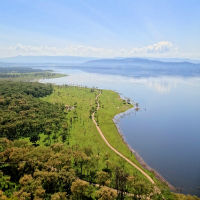
The Kisumu Museum is famous for its comprehensive and diverse collection of exhibits that cover a wide range of topics. It is perhaps most well-known for its exhibitions on the Luo people, highlighting their history, art, and cultural practices. The museum also draws attention for its display of local wildlife, including preserved specimens of the region's animal species. The museum’s location on the shores of Lake Victoria further enhances its appeal, offering visitors an opportunity to learn about the environmental significance of the lake and its role in supporting local biodiversity.
Additionally, the museum is famous for its outdoor exhibits, which include a recreated Luo traditional village, showcasing the architecture, tools, and lifestyle of the Luo people. This interactive exhibit allows visitors to step back in time and experience life as it was centuries ago in the Nyanza region. The Kisumu Museum is also known for being a center of research and education, providing a platform for scholars, tourists, and locals to engage with the cultural and environmental history of the area.
Entry and Visit Details
Opening Hours:
- The Kisumu Museum is open daily from 9:00 AM to 6:00 PM, with the exception of public holidays.
Entry Fees:
- Adults: KES 200 (Kenyan Shillings)
- Children: KES 100 (Kenyan Shillings)
- Residents of Kisumu may enjoy a discount on entry fees.
Best Time to Visit:
- The museum can be visited year-round, but the best time to visit is during the dry season (June to October) when the weather is cooler and more comfortable for exploring the outdoor exhibits.
- If you're interested in cultural events and exhibitions, it's best to check the museum's schedule in advance, as they often host cultural celebrations, workshops, and performances.
Facilities:
- The museum offers guided tours, which are highly recommended for those who wish to gain deeper insights into the exhibits and the history behind them.
- There is a small museum shop where visitors can purchase souvenirs, books, and traditional crafts from the region.
- The museum has picnic areas where visitors can relax and enjoy the surroundings.
How to Reach Kisumu Museum
Kisumu Museum is located just a few kilometers from Kisumu Town, making it easily accessible for visitors. Here are the best ways to reach the museum:
- By Road: From Kisumu Town, you can take a taxi or matatu (shared minibus) to the museum. The drive typically takes around 10-15 minutes, depending on traffic conditions.
- By Air: Kisumu has an international airport (Kisumu International Airport), located approximately 15 kilometers from the museum. From the airport, you can hire a taxi or rent a car to reach the museum.
Weather and Best Time to Visit
Kisumu experiences a tropical climate with warm temperatures throughout the year. However, the region also sees two main seasons: the rainy season and the dry season. Here’s what to expect:
- Dry Season (June to October): This is the best time to visit the museum. The weather is pleasant, with lower humidity and less rainfall, making it perfect for outdoor activities such as exploring the museum’s gardens and outdoor exhibits.
- Wet Season (November to May): While the wet season can bring occasional rain, it can still be a good time to visit the museum if you don’t mind the showers. The surrounding landscapes are lush and green, and the museum offers a comfortable indoor space for visitors to explore the exhibits.
Things to Do at Kisumu Museum
- Explore Exhibits: The museum is home to a wide range of exhibits, including displays on the history of Kisumu, the culture of the Luo people, local wildlife, and environmental conservation. There are both indoor and outdoor exhibits that provide a well-rounded experience.
- Traditional Luo Village: One of the highlights of the museum is the recreated traditional Luo village, where visitors can learn about the lifestyle and architecture of the Luo people. This exhibit offers a unique, hands-on experience that allows visitors to interact with the environment and get a feel for traditional life in the Nyanza region.
- Wildlife Exhibits: The museum features impressive exhibits on the region's wildlife, with preserved specimens of local animals, such as antelopes, crocodiles, and various bird species. It’s an excellent opportunity to learn more about the biodiversity of Lake Victoria and the surrounding areas.
- Photography: The Kisumu Museum offers several photo opportunities, especially with its outdoor exhibits and stunning views of Lake Victoria. Be sure to bring your camera to capture the beauty of the surroundings.
- Learn Local Crafts: The museum often hosts workshops and exhibitions related to traditional crafts. Visitors can participate in these activities to learn about local art forms such as beadwork, pottery, and weaving.
Facts and Tips
- Guided Tours: The museum offers knowledgeable and friendly guides who can provide detailed information about the exhibits and the history of the region. A guided tour is highly recommended to get the most out of your visit.
- Accessibility: The museum is wheelchair accessible, making it suitable for visitors with mobility challenges.
- Plan Your Visit: If you are planning to visit during peak tourist seasons (such as school holidays), it’s a good idea to book in advance for guided tours to ensure availability.
- Souvenirs: Don’t forget to check out the museum shop, which sells a variety of local crafts, books, and souvenirs. It's a great place to pick up something unique to remember your visit by.
- Photography Etiquette: While photography is allowed in most parts of the museum, be sure to ask if there are any restrictions in certain areas, especially when photographing cultural artifacts or exhibits involving local communities.
Conclusion
The Kisumu Museum is a must-visit destination for anyone interested in learning more about the rich cultural, historical, and natural heritage of Kisumu and the Nyanza region. Its diverse exhibits, including displays on the Luo people, local wildlife, and environmental conservation, provide a comprehensive understanding of the area’s significance in Kenya's broader history. Whether you're a student, a history enthusiast, or a curious traveler, the Kisumu Museum offers an educational and immersive experience that is both engaging and informative. With its scenic location, friendly staff, and fascinating exhibits, the Kisumu Museum is a perfect place to discover the stories that shape the culture and environment of western Kenya.