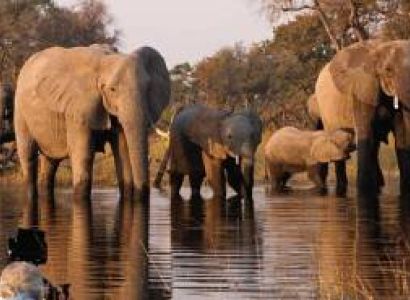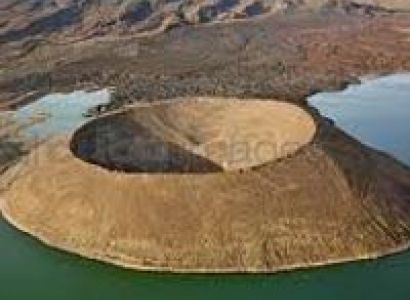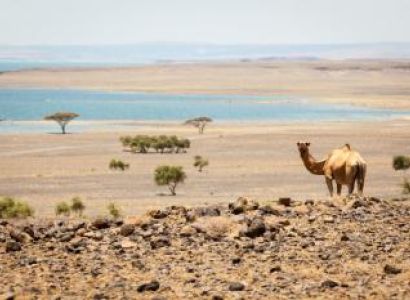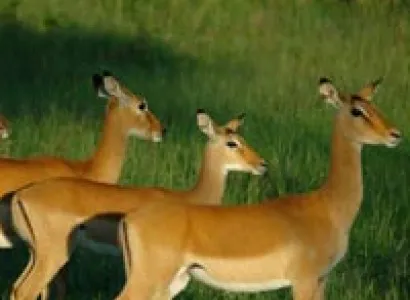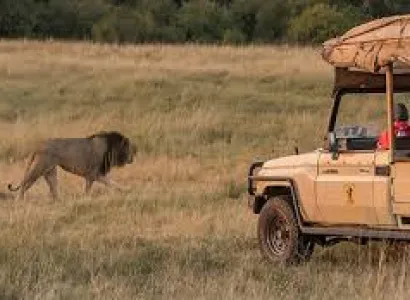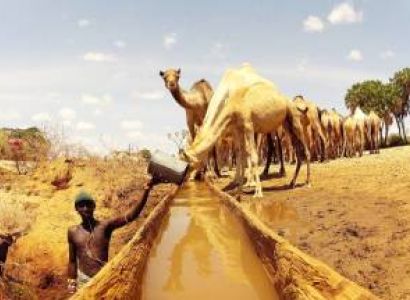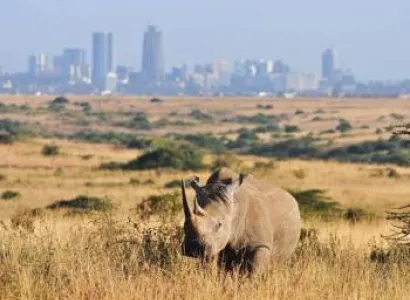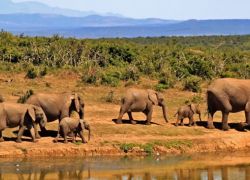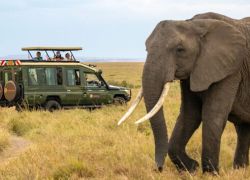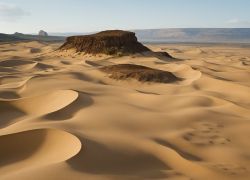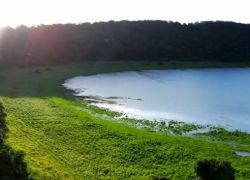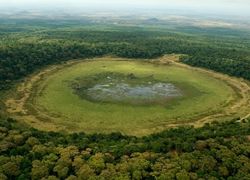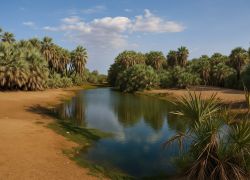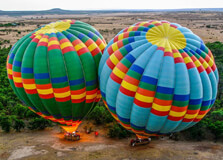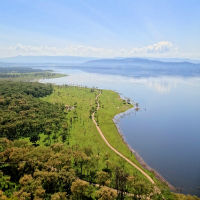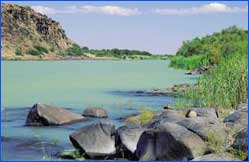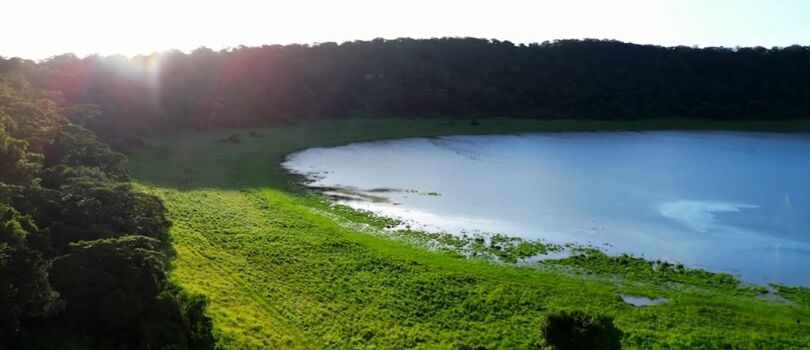
"Serenity and natural beauty in a volcanic landscape."
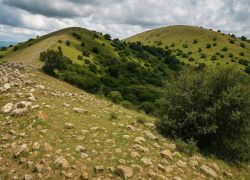
Lake Marsabit is a picturesque and serene lake located in Marsabit County, northern Kenya. It is an integral part of the Marsabit National Reserve, surrounded by lush forests and located in the Marsabit Mountain, an extinct volcano. The lake, sitting at an elevation of about 1,400 meters above sea level, is a haven for wildlife and offers an escape for nature lovers, photographers, and tourists looking for an off-the-beaten-path destination.
How to Reach Lake Marsabit
Lake Marsabit is located approximately 550 kilometers north of Nairobi, the capital city of Kenya. There are several ways to reach the lake:
Weather at Lake Marsabit
The weather around Lake Marsabit is characterized by its cool and moderate climate due to its high altitude. The temperatures generally range between 20°C to 30°C, making it a pleasant escape from the scorching heat found in other parts of northern Kenya. However, it’s important to note that the area can experience sudden weather changes, so it’s advisable to carry light clothing for the day and warm clothes for the evening. Rainfall is frequent between March and May, and during this period, the region becomes even more vibrant and green.
Timing to Visit Lake Marsabit
Lake Marsabit can be visited throughout the year, but the ideal time to visit is during the dry seasons from June to September, as this is when the weather is most predictable. The wet seasons, especially in April and May, can make travel to and around the lake difficult due to heavy rains and muddy roads.
Why Lake Marsabit is Famous
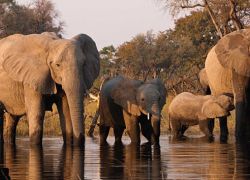
Lake Marsabit is famous for its stunning beauty, serene atmosphere, and the surrounding lush forests and wildlife. It is known for being an oasis in an otherwise dry region, thanks to the cool volcanic crater lake nestled within the Marsabit Mountain. Some of the most unique features that make the lake famous include:
Entry and Visit Details
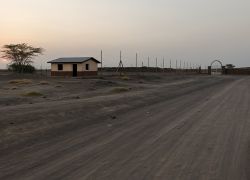
The lake is part of the Marsabit National Reserve, so visitors are required to pay an entry fee. It’s best to contact the reserve authorities for up-to-date pricing on entry fees and other charges. Visitors typically enter the reserve via the main gate near Marsabit town. If you are planning to camp near the lake or spend more time exploring the area, you should arrange for permits and accommodations in advance.
History and Architecture
The history of Lake Marsabit is deeply connected to the local community and the region’s geology. The lake is situated inside a volcanic crater, and it’s believed that it formed thousands of years ago. The Marsabit Mountain, from which the lake was created, is an extinct volcano that played a significant role in shaping the landscape of northern Kenya.
Although there are no major human-made architectural structures directly associated with the lake itself, the surrounding forest and nearby mountains offer a fascinating natural architecture, with cliffs, volcanic formations, and diverse ecosystems that make it a striking place to visit.
Things to Do Around Lake Marsabit
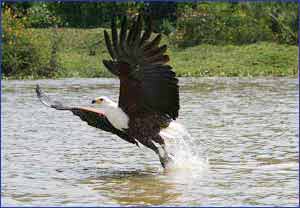
Lake Marsabit is not only a beautiful place to visit but also offers a variety of activities for nature lovers, adventure enthusiasts, and wildlife photographers. Some of the things to do include:
Interesting Facts about Lake Marsabit
Tips for Visiting Lake Marsabit