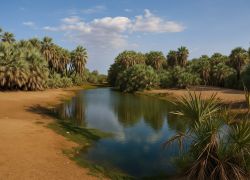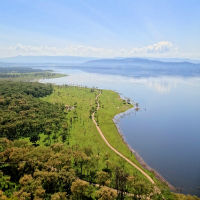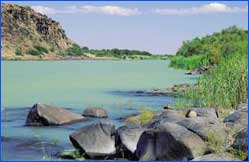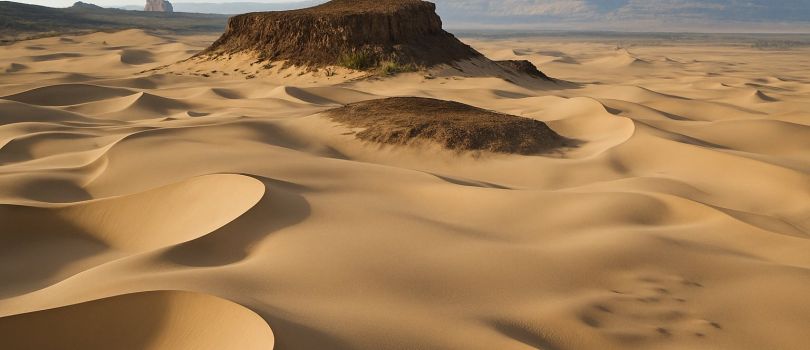
"Explore the vast beauty of Kenya's arid landscape."
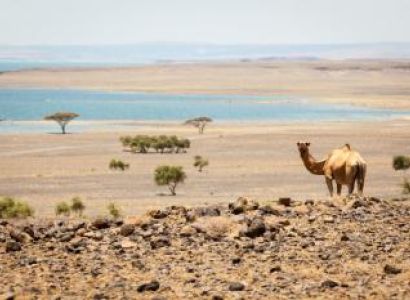
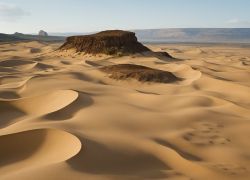
The Chalbi Desert is one of Kenya's most fascinating and arid landscapes, located in the northern part of Marsabit County. Known for its vast stretches of sand, salt flats, and extreme weather, the Chalbi Desert offers a unique experience for those seeking adventure, solitude, and a closer connection to Kenya’s lesser-explored beauty. This desert, which is one of the driest places in Kenya, stands in stark contrast to the lush forests found in Marsabit's higher altitudes, providing a stunning geographical and ecological diversity.
How to Reach The Chalbi Desert
The Chalbi Desert is accessible through various routes, but due to its remote location, travel to the desert requires careful planning. Here’s how you can get there:
Weather in The Chalbi Desert
The Chalbi Desert experiences harsh desert conditions. Temperatures during the day can reach up to 40°C (104°F) or higher, and the heat can be intense, especially from midday to early afternoon. The nights, however, can be cooler, with temperatures dropping to around 20°C (68°F). Rainfall in the desert is extremely rare, with some years experiencing no rain at all. The desert is at its driest from January to March, making it a true desert landscape.
Due to the extreme temperatures, it is advisable to visit during the cooler months, which are from June to September, when the weather is more bearable.
Timing to Visit The Chalbi Desert
The best time to visit the Chalbi Desert is during the dry season, particularly between June and September. These months offer cooler temperatures and relatively dry conditions, making the experience more comfortable. It is essential to avoid visiting during the rainy season, which typically runs from March to May, as the desert can become inaccessible due to muddy roads and flash floods.
Why The Chalbi Desert is Famous
The Chalbi Desert is famous for its extreme climate, desolate beauty, and the unique culture of the people who inhabit the area. Some of the key aspects that make this desert notable include:
Entry and Visit Details About The Chalbi Desert
Visitors can access the Chalbi Desert as part of a guided tour or as independent travelers. However, it’s advisable to visit with a guide due to the desert’s remoteness and the lack of reliable infrastructure.
There are no official entry fees for the desert itself, but visitors may have to pay for the guided tour services, vehicle hire, and park permits if they are visiting nearby protected areas. It is recommended to stay overnight in Marsabit town and arrange a tour from there to explore the desert.
History and Architecture
The Chalbi Desert, like many deserts, is shaped by both natural and human history. The region has been inhabited for thousands of years by nomadic communities who have learned to adapt to the harsh environment. The Gabra people are the most prominent group in the region, and they continue to live a traditional pastoral lifestyle. Their historical and cultural ties to the land are important, and they have developed techniques for survival in one of the harshest climates on Earth.
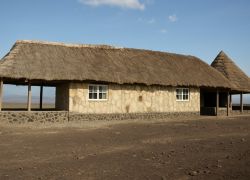
While the desert itself does not feature architectural structures in the traditional sense, the local nomadic tribes have created temporary shelters made of natural materials. These structures, known as "manyattas," serve as homes during the dry season and are essential for protecting the community from the sun and wind.
Things to Do Around The Chalbi Desert
The Chalbi Desert offers a range of activities for adventurous travelers, nature lovers, and those interested in learning about the culture of the indigenous people. Some of the things to do in the desert include:
Interesting Facts about The Chalbi Desert
Tips for Visiting The Chalbi Desert