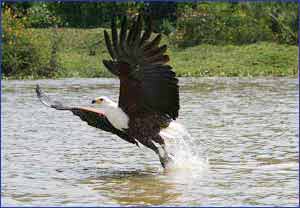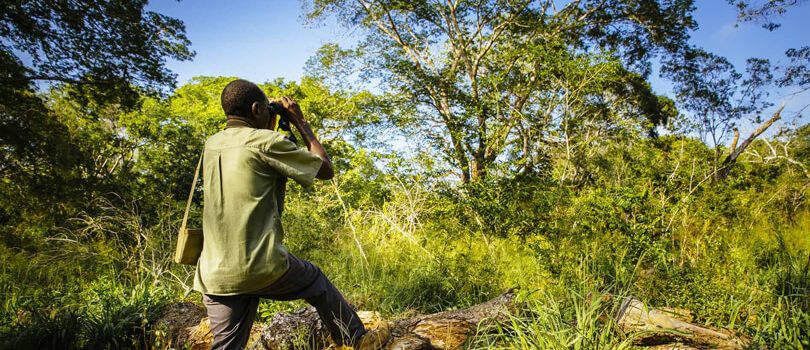
"Explore diverse wildlife in Kenya's coastal rainforest."
About Arabuko Sokoke National Park
The Arabuko Sokoke National Park is a protected area located in Kilifi County, in the coastal region of Kenya. It covers an area of 420 square kilometers and is the largest and most intact coastal forest in East Africa. The park is named after the Arabuko Sokoke forest, which is a unique and biodiverse habitat that is home to a wide variety of flora and fauna.
Location and Geographical Overview
The Arabuko Sokoke National Park is situated approximately 110 kilometers north of Mombasa, near the towns of Malindi and Watamu. It is easily accessible by road from Mombasa and Malindi, making it a popular destination for both local and international visitors.
Opening and Closing Time
The park is open to visitors daily from 6:00 am to 6:00 pm. It is advisable to arrive early in the morning to take advantage of the cooler temperatures and increase your chances of spotting wildlife.
Entry Fee
The entry fee for Arabuko Sokoke National Park is 1,000 Kenyan Shillings for adults and 500 Kenyan Shillings for children under the age of 12. There are additional fees for activities such as guided walks or birdwatching tours.
Species-Flora/Fauna Availability
The Arabuko Sokoke forest is home to a diverse array of plant and animal species, including the endangered golden-rumped sengi, Clarke’s weaver, and the Sokoke scops owl. The park is also known for its various species of butterflies, birds, and monkeys.
Activities Performed
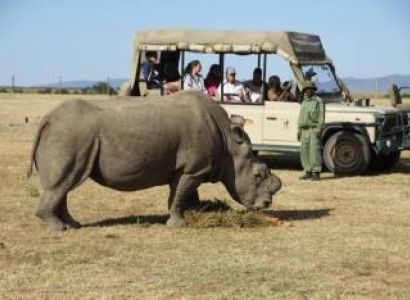
Visitors to the park can enjoy a range of activities, including guided nature walks, birdwatching tours, and cycling trails. The park is also a popular destination for jeep safaris, where visitors can explore the forest and observe wildlife from the comfort of a vehicle.
Jeep Safari Charges
The cost of a jeep safari at Arabuko Sokoke National Park varies depending on the duration and type of safari. Prices typically range from 3,000 to 6,000 Kenyan Shillings per person, with discounts available for group bookings.
Age Criterion and Entry Fee
Children under the age of 5 are eligible for free entry to the park. Entry fees for adults and children aged 5-12 are as mentioned above. Senior citizens aged 60 and above are also eligible for discounted entry fees upon presentation of valid identification.
Senior Citizen Facilities
Arabuko Sokoke National Park offers special facilities for senior citizens, including wheelchair-accessible trails, rest areas, and designated parking spaces. The park staff are trained to assist elderly visitors and ensure their comfort and safety during their visit.
Best Time to Visit
The best time to visit Arabuko Sokoke National Park is during the dry season, which runs from June to September. During this time, the weather is cooler and wildlife is more active, making it ideal for spotting rare species such as the golden-rumped sengi.
Nearby Places to Visit
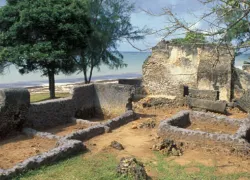
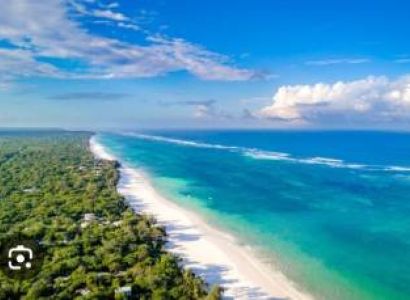
Located near the coastal towns of Malindi and Watamu, visitors to Arabuko Sokoke National Park can explore other nearby attractions such as the Gede Ruins, Watamu Marine National Park, and the Mida Creek. These destinations offer additional opportunities for wildlife viewing, water sports, and cultural experiences.
Vehicle Parking Facility
Arabuko Sokoke National Park provides designated parking areas for visitors who arrive by car. The park staff are available to direct drivers to the nearest parking facilities and ensure the safety of vehicles during their visit.
Rules and Regulations
Visitors to Arabuko Sokoke National Park are required to follow certain rules and regulations to protect the environment and wildlife. These include refraining from littering, feeding the animals, or straying from designated trails. It is also recommended to respect the guidance of park rangers and follow their instructions for a safe and enjoyable visit.
How to Reach and Other Related Information
Arabuko Sokoke National Park can be easily reached by road from Mombasa and Malindi. Visitors can also arrange for guided tours or transportation services from local hotels and tour operators. For more information about visiting the park, including accommodation options, guided tours, and reservations, visitors can contact the Kenya Wildlife Service or visit the official park website.









Mombasa
Mombasa